


Beyond the policy: What DEIB really feels like

Menopause isn’t ‘just hot flushes
Brain fog has been a big challenge. I have to write everything down, otherwise I can struggle to remember conversations and actions from meetings.
Belonging is not having to filter who you are
Belonging is being able to come to work, focus on what I’m there to do, and interact with colleagues without filtering who I am.
Inclusion isn’t just the right thing to do. It’s a strategic advantage
An open culture is the foundation of any workplace where people feel safe to speak up.
It’s easy to talk about Diversity, Equity, Inclusion and Belonging (DEIB) in frameworks and policies.
It’s harder to talk about what it actually feels like.
At Resillion, we’re building our DEIB approach around belonging. Not as a slogan, but as a lived experience. What does it mean to feel comfortable? Supported? Safe to speak up? Able to grow?
To make that real, we spoke to three women across the business. Their experiences of menopause, LGBTQ+ inclusion and women’s evolving responsibilities, show why belonging matters in practical, human terms.
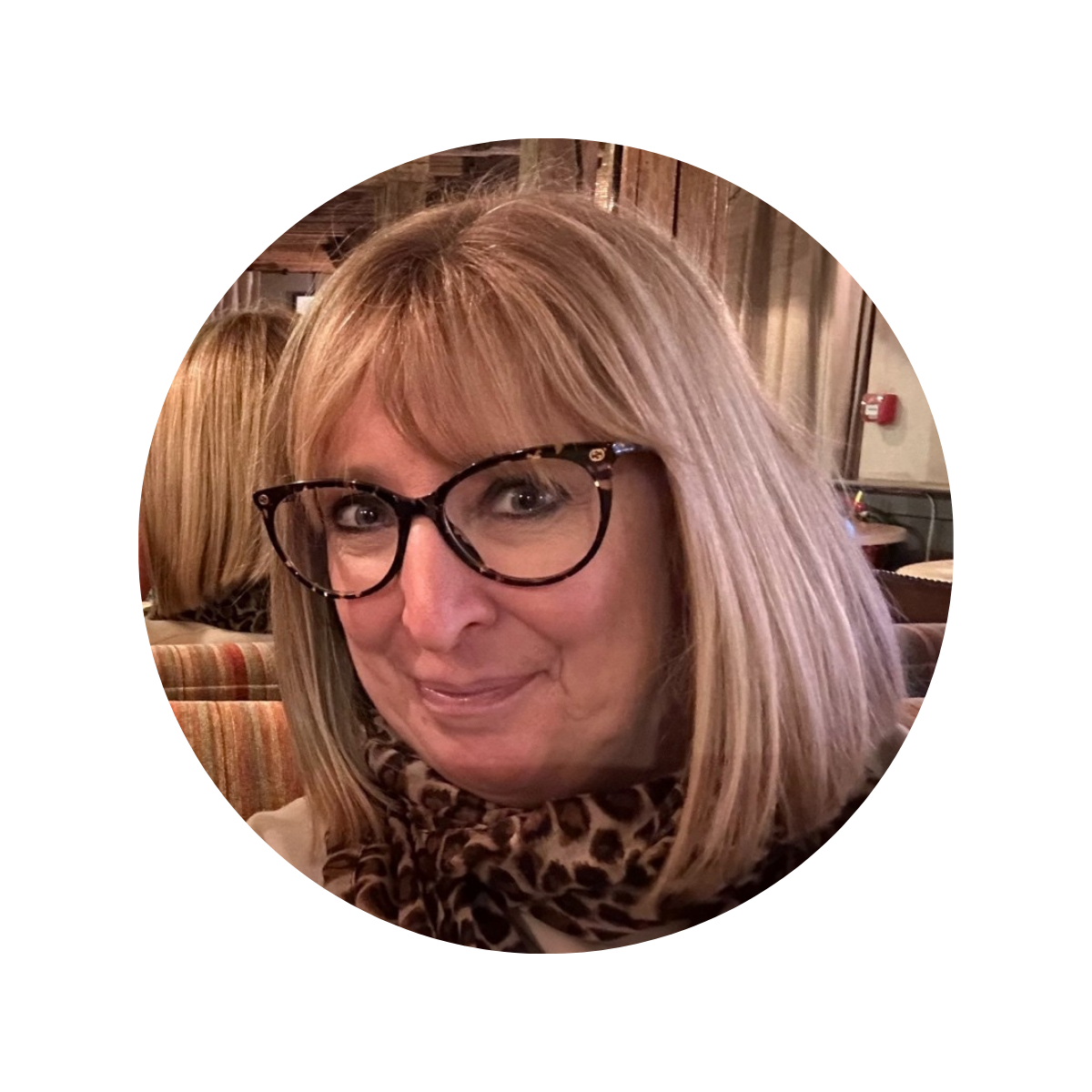
Maureen: “Menopause isn’t ‘just hot flushes’.”
When Maureen talks about menopause, she does so with honesty and calm clarity.
“It’s important to me because I’m currently right in the middle of it.” For her, this isn’t an abstract conversation about wellbeing. It’s daily life experienced in meetings, deadlines and quiet moments of self-doubt.
“Brain fog has been a big challenge. I have to write everything down, otherwise I can struggle to remember conversations and actions from meetings.”
That cognitive load is invisible to others. So is the fatigue from disrupted sleep. The anxiety that can flare unexpectedly. The weight gain and energy dips that affect confidence. HRT isn’t an option for her, which means finding other ways to manage symptoms.
“Deadlines can feel more pressurised because I worry I’ve missed something or forgotten an agreement.”
What stands out isn’t frustration. It’s resilience and pragmatism. Clear notes. Written follow-ups. AI tools to summarise meetings. Lists for everything.
But what makes the biggest difference isn’t a productivity hack.
“A bit of patience and clarity from others makes a big difference.”
For Maureen, the real shift comes when menopause is acknowledged as a workplace reality rather than something ‘personal’ to be handled quietly.
“It shows the organisation understands the ‘whole’ person… it turns it from something you’re expected to manage silently into something the workplace can help with.”
And she’s clear about the business impact. When workplaces don’t understand menopause, women disengage – or leave – at a point in their careers when they have deep experience to offer.
“Supporting people well is simply the right thing to do, and it also helps with retention.”
Belonging, here, looks like empathy. Flexibility. Patience in meetings. Small adjustments that protect confidence.
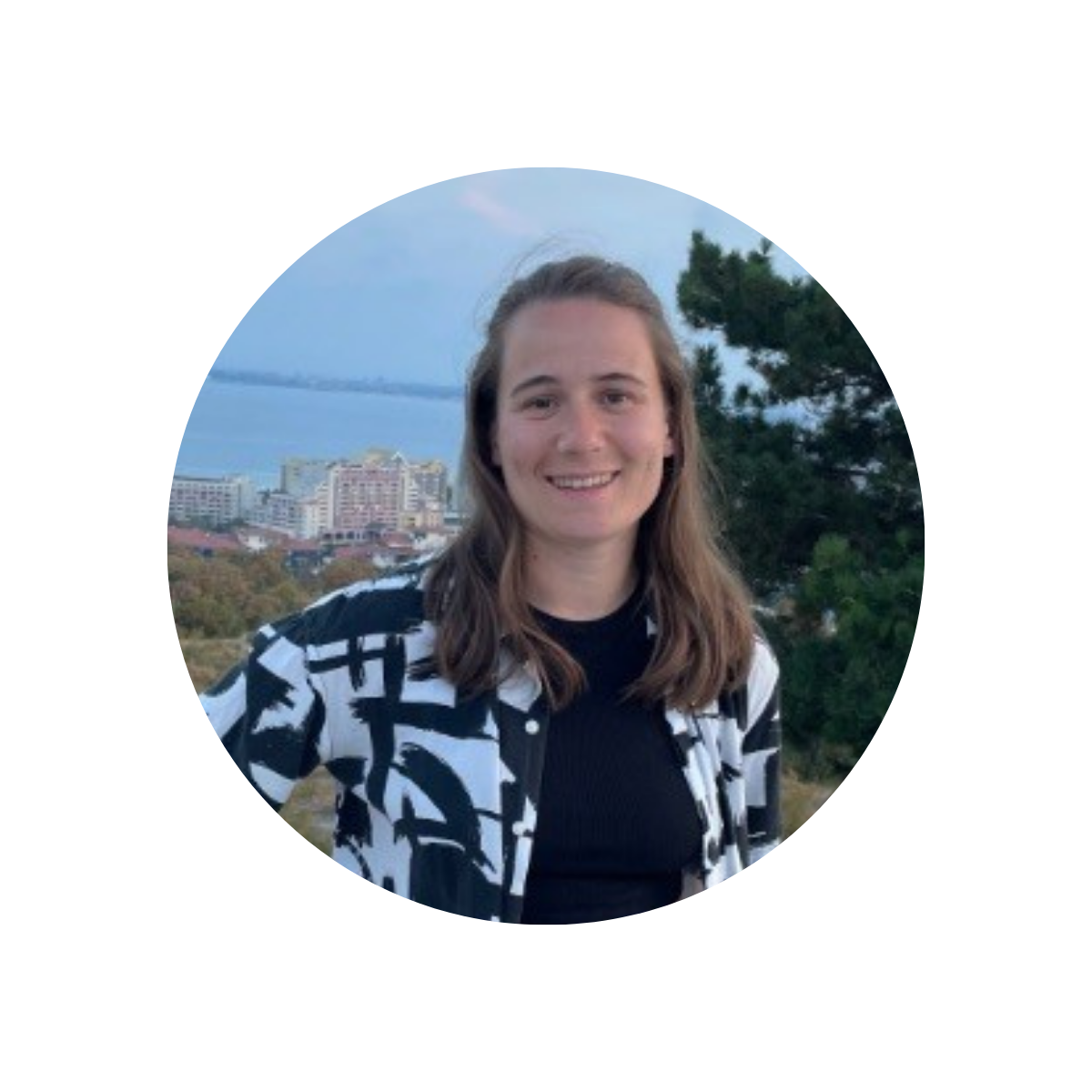
Sarah: “Belonging is not having to filter who you are.”
For Sarah, belonging isn’t dramatic or symbolic. It’s subtle.
“Belonging is being able to come to work, focus on what I’m there to do, and interact with colleagues without filtering who I am.”
As a member of the LGBTQ+ community, she values inclusion as everyday normality: the freedom to speak openly, participate fully, and focus on work without friction or self-editing.
“When you don’t have to worry about how something will be received, you can contribute without hesitation.” On allyship, Sarah avoids grand statements.
“Meaningful allyship is about consistency rather than grand gestures. It’s treating people equally, challenging inappropriate behaviour when it arises, and creating an environment where differences aren’t singled out unnecessarily.”
For her, belonging is quiet. Everyday. Built in small moments of respect.
And the impact is powerful: a workplace that feels straightforward, professional and positive for everyone.
Sumitha: “Inclusion isn’t just the right thing to do. It’s a strategic advantage.”
Sumitha’s perspective widens the lens.
She talks about women’s inclusion not as a single issue, but as an evolving journey that intersects with culture, caregiving and life stages.
“One of the most persistent challenges is the expectation that women take on a larger share of domestic responsibilities alongside their professional roles.”
The return from maternity leave is often the most visible moment of adjustment – but not the only one.
“Women return with the same career ambitions and commitment, but may experience reduced visibility or face assumptions about their availability.”

These aren’t always overt barriers. They’re subtle. Cumulative.
And as life evolves, so do responsibilities. Perimenopause. Caring for ageing parents. Managing multiple roles simultaneously.
“Across all these stages, women continuously adapt. Managing time, multitasking, and supporting others, while still striving to achieve their own career goals.”
What makes the difference, she says, is culture.
“An open culture is the foundation of any workplace where people feel safe to speak up.”
Active listening. Transparency. Safe channels for concerns. Leadership that listens to understand – not just to respond.
And when asked why women’s inclusion matters to Resillion as a business, her answer is direct:
“It strengthens the company’s culture, drives innovation, and ensures diverse perspectives are part of decision-making. Inclusion isn’t just the right thing to do; it’s a strategic advantage.”
Belonging isn’t a soft benefit. It shapes stronger teams and better decisions.
Belonging in practice
At Resillion, we’re building pilot communities, including a Women’s Network, LGBTQ+ network, caregiver support and menopause support. We want to make these conversations part of everyday working life.
We are also launching our Belong Council to ensure representation across geographies and teams, because belonging must be global, yet local.
We’re building towards a culture where:
- People don’t struggle in silence.
- No one feels they have to filter who they are.
- Life stages aren’t hidden.
- Different perspectives are valued, not just tolerated.
Belonging is not about spotlighting difference.
It’s about removing barriers, so people can focus on doing their best work.
And when that happens, everyone benefits.