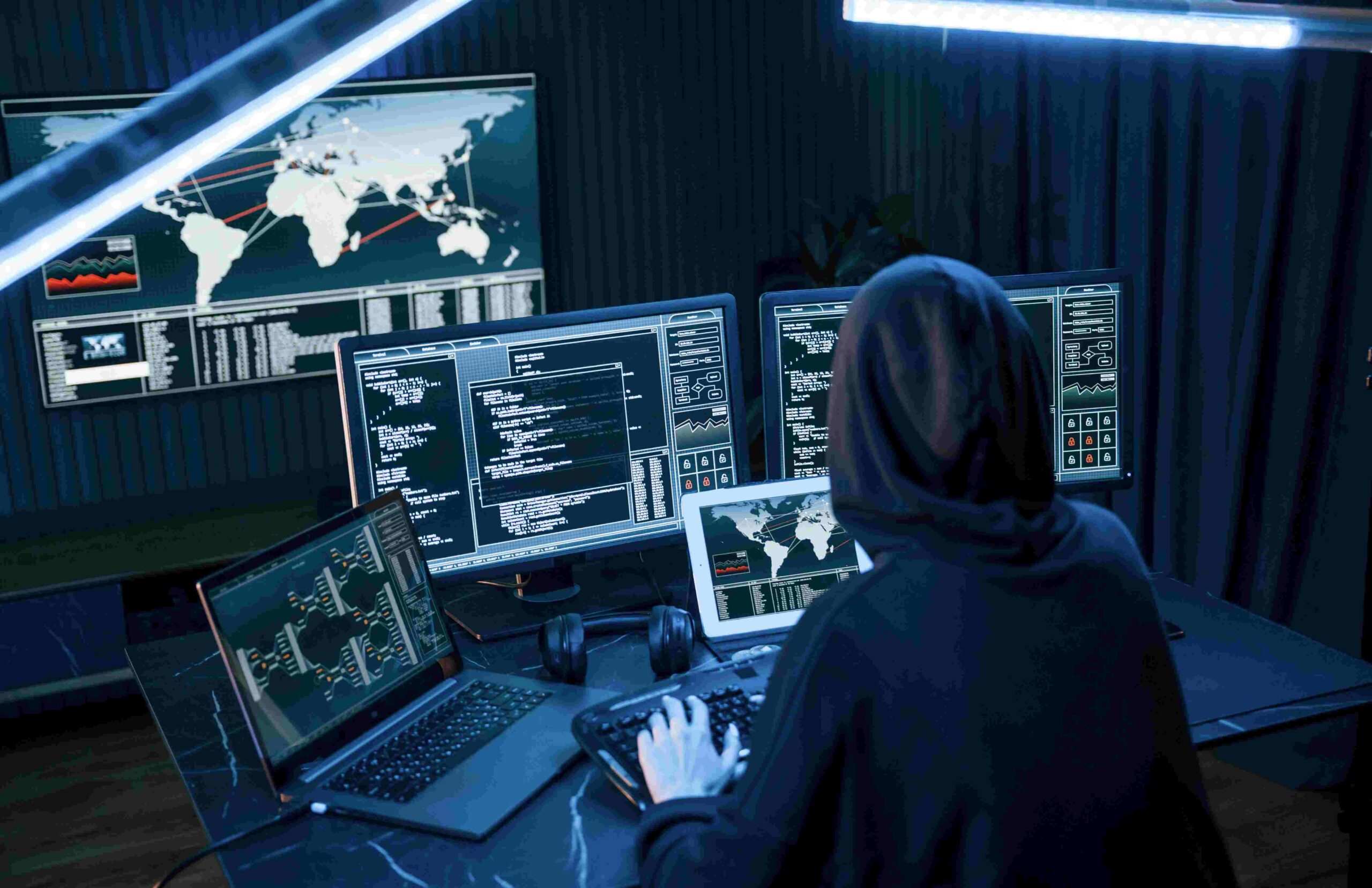
When tensions rise, cyber responds
Over the past few weeks, the geopolitical escalation involving Iran has prompted renewed attention across the cyber threat landscape. In my experience, periods of military tension rarely remain confined to physical borders. They increasingly play out in cyberspace as well.
When nation states seek influence, retaliation or strategic signalling, cyber operations provide a powerful and deniable mechanism. That is why, whenever geopolitical tensions rise, I always pay close attention to what is happening in the security space – not just diplomatically.
Cyber as asymmetric strategy
Iran has long invested in cyber capability as a form of asymmetric warfare. It allows projection of influence without direct military confrontation. Historically, Iranian-linked threat groups have relied on:
Iran-linked threat actors including MuddyWater launched tailored spear-phishing campaigns with malicious attachments to compromise critical infrastructure and government networks. Source
Cyber actors affiliated with Iran’s IRGC have been seen exploiting unpatched vulnerabilities – including Fortinet and Microsoft Exchange flaws – to deploy ransomware or extortion operations. Source
Pro-Iranian hacktivist groups have initiated DDoS attacks against media and government websites as part of retaliatory cyber campaigns aligned with the conflict.Source
Iran-linked hack-and-leak groups such as Handala Hack Team have published sensitive employee data and claimed responsibility for disruptive operations against opposition and allied targets. Source
Alongside state-linked actors, there is a growing ecosystem of proxy and hacktivist groups. These collectives often operate globally and may target organisations connected – directly or indirectly – to Western governments. This can include critical infrastructure, energy providers, financial services, or strategic supply chains.
This is rarely random. It is often symbolic, opportunistic, or strategically timed.
A wider geopolitical cyber dynamic
What concerns me most is that this is not isolated to one state actor. We’re operating in a broader geopolitical cyber environment where multiple nations, including those aligned within the BRICS sphere, are increasingly comfortable using cyber operations for espionage and disruption. And not to forget – economic pressure.
During periods of escalation, the likelihood of collateral impact rises. Organisations that may not consider themselves politically exposed can still be affected, especially those embedded in international supply chains or supporting critical sectors.
In a globally connected economy, proximity is digital, not geographic.

How we’re responding
In light of the current situation, we have elevated our cyber vigilance at Resillion.
Our security teams are actively monitoring geopolitical threat intelligence feeds, government advisories, and partner intelligence sources. We are tracking emerging indicators of compromise and behaviours associated with state-linked and affiliated groups connected to the conflict.
Where relevant, we are issuing enhanced geopolitical threat briefings to customers. My priority is ensuring that security leaders are not only aware of emerging risks, but understand the tactics being used and the mitigation strategies available.
Operationally, we’ve strengthened our monitoring and response posture across our managed services and incident response capabilities.

This includes:
Increased proactive threat hunting

Enhanced monitoring for indicators linked to known state-sponsored actors

Accelerated vulnerability and exposure assessments

Focused reinforcement of identity security, patching discipline and network visibility
Review of incident response preparedness
Heightened geopolitical risk is not a reason for alarm, but it is absolutely a reason for preparation.
Working closely with national guidance
Our relationship with the National Cyber Security Centre remains central to how we operate. It means that we align closely with national guidance and emerging intelligence affecting UK organisations.
All of our cyber security personnel operate with a minimum of Security Check (SC) clearance, and our services are delivered under recognised industry frameworks including CREST and CHECK accreditation. Through these standards and our collaboration with government and regulatory bodies, we work extensively with the UK public sector and organisations supporting Critical National Infrastructure.
Staying prepared in an uncertain landscape
The geopolitical situation continues to evolve. But one constant remains: cyber will continue to be used as an instrument of statecraft.
My focus, and Resillion’s, is making sure that our customers remain informed, prepared and resilient. That means combining strategic threat intelligence with operational monitoring, proactive exposure management and trusted partnerships across government and industry.
Cyber risk mirrors the world around us.
And at times like this, preparedness is not optional. It’s critical.